
Soil Sampling
Know Your Soil Before You Plant
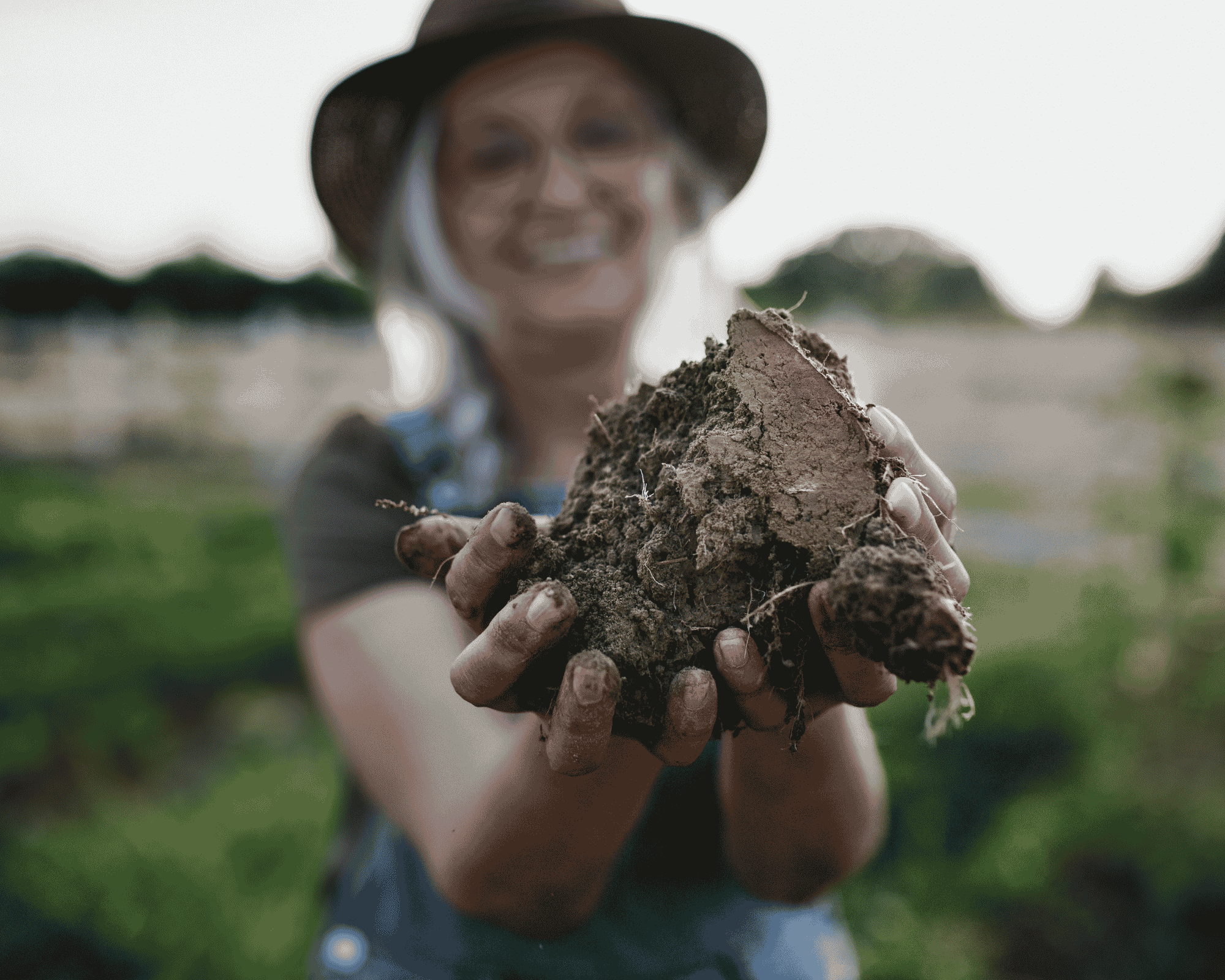
Successful elderberry production begins long before the first plant goes into the ground.
Understanding your soil conditions helps identify opportunities and limitations that may influence establishment, growth, productivity, and long-term management decisions. Soil testing provides valuable information about nutrient levels, pH, organic matter, and other factors that can affect crop performance.
Whether you're considering a small planting or a larger commercial operation, evaluating your site early can help avoid costly mistakes and support informed decision-making.
Why Soil Testing Matters
Every field is different.
Two properties located only a few miles apart can have dramatically different soil characteristics that influence drainage, fertility, and overall suitability for elderberry production.
A soil test can help answer important questions such as:
Is the soil pH appropriate for elderberry?
Are nutrient levels adequate for establishment?
Are there deficiencies that should be addressed before planting?
Is additional organic matter recommended?
Are there soil conditions that may limit growth?
What amendments may improve site performance?
Identifying these factors before planting allows growers to make adjustments while they are still relatively easy and cost-effective.
Services may include:
-
Collection of representative soil samples from proposed planting areas using accepted sampling methods.
-
Preparation and submission of samples to a qualified soil testing laboratory.
-
Interpretation of laboratory results and discussion of key findings.
-
Consideration of factors such as:
Soil type
Drainage patterns
Topography
Existing vegetation
Access to water
Field layout considerations
-
General guidance regarding site preparation, nutrient management considerations, and planning for future elderberry plantings.
Planning for Long-Term Success
Elderberry is a perennial crop that may remain productive for many years.
Because site conditions influence long-term performance, addressing concerns before planting is often much easier than correcting problems after a field has been established.
Investing in soil evaluation at the beginning of the process can help support:
Improved plant establishment
Stronger early growth
More efficient use of amendments
Better irrigation planning
Long-term productivity
Who Can Benefit?
This service may be helpful for:
New growers exploring elderberry production
Existing farmers considering diversification
Landowners evaluating potential planting sites
Conservation and agroforestry projects
Educational and research plantings
Whether you're planning a few dozen plants or several acres, understanding your soil is an important first step.
Ready to Learn More?
Every successful planting starts with a solid foundation.
Contact us to discuss your site, learn about the soil sampling process, and determine whether your property may be a good fit for American elderberry production.