
What Is American Elderberry?
American elderberry is a native North American fruiting shrub that has been valued for generations for its nutritious berries, ecological benefits, and adaptability to diverse growing conditions.
Found naturally across much of the United States, American elderberry produces clusters of fragrant white flowers in early summer followed by deep purple berries that are harvested in late summer. Today, interest in elderberry continues to grow as farmers, researchers, processors, and consumers explore its potential as a specialty crop that supports both human and environmental health.
A Native Crop with a Rich Heritage
American elderberry (Sambucus nigra ssp. canadensis) is indigenous to much of North America and has long been used by Indigenous peoples and rural communities for food, beverages, and traditional wellness applications.
Unlike many specialty crops that originated overseas, American elderberry evolved alongside the ecosystems of the Midwest and Eastern United States. Its natural adaptation to local climates makes it particularly well suited for regional agricultural production.
What Does American Elderberry Look Like?
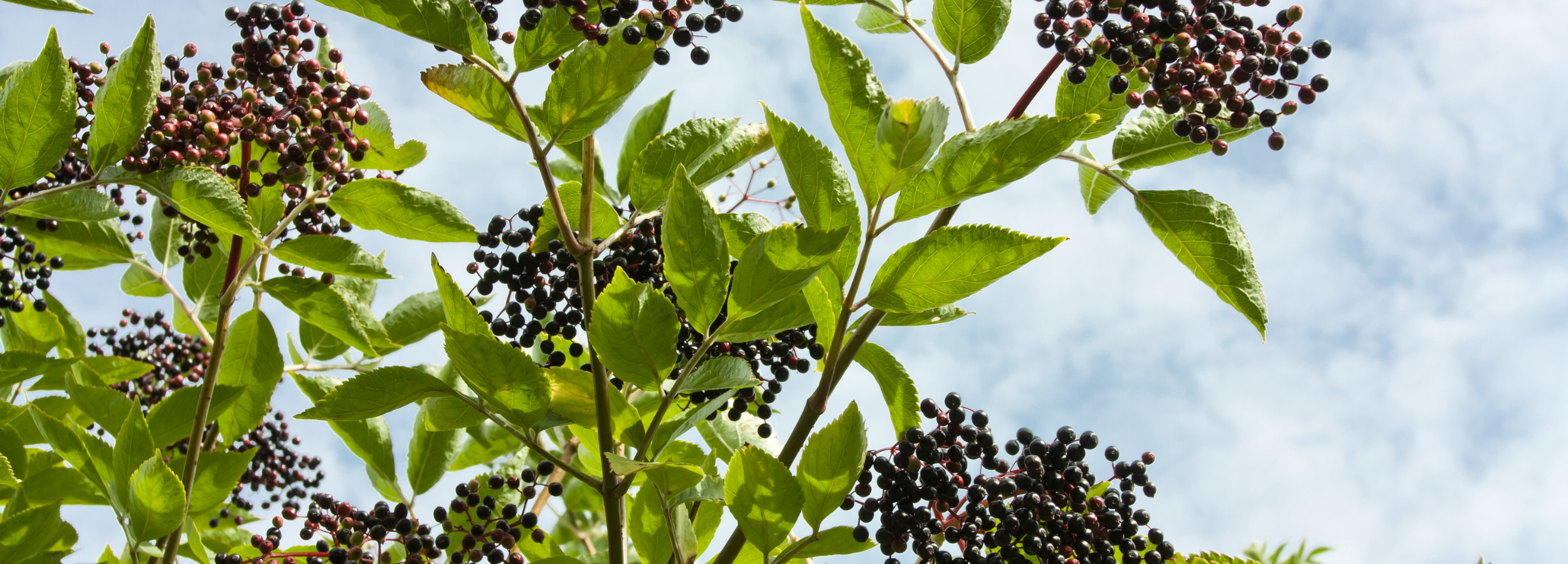
American elderberry is a large, multi-stemmed shrub that typically grows 6–12 feet tall.
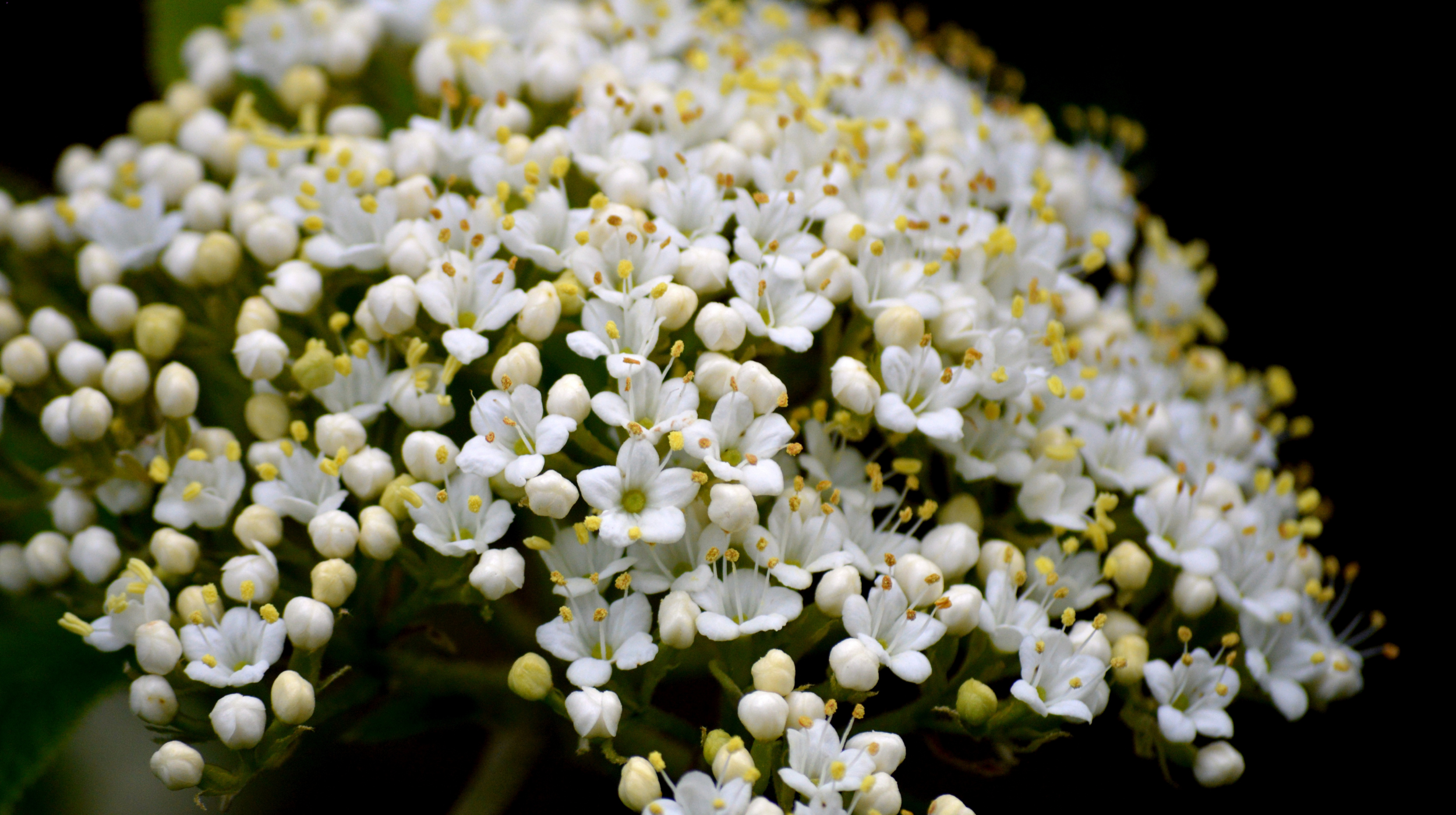
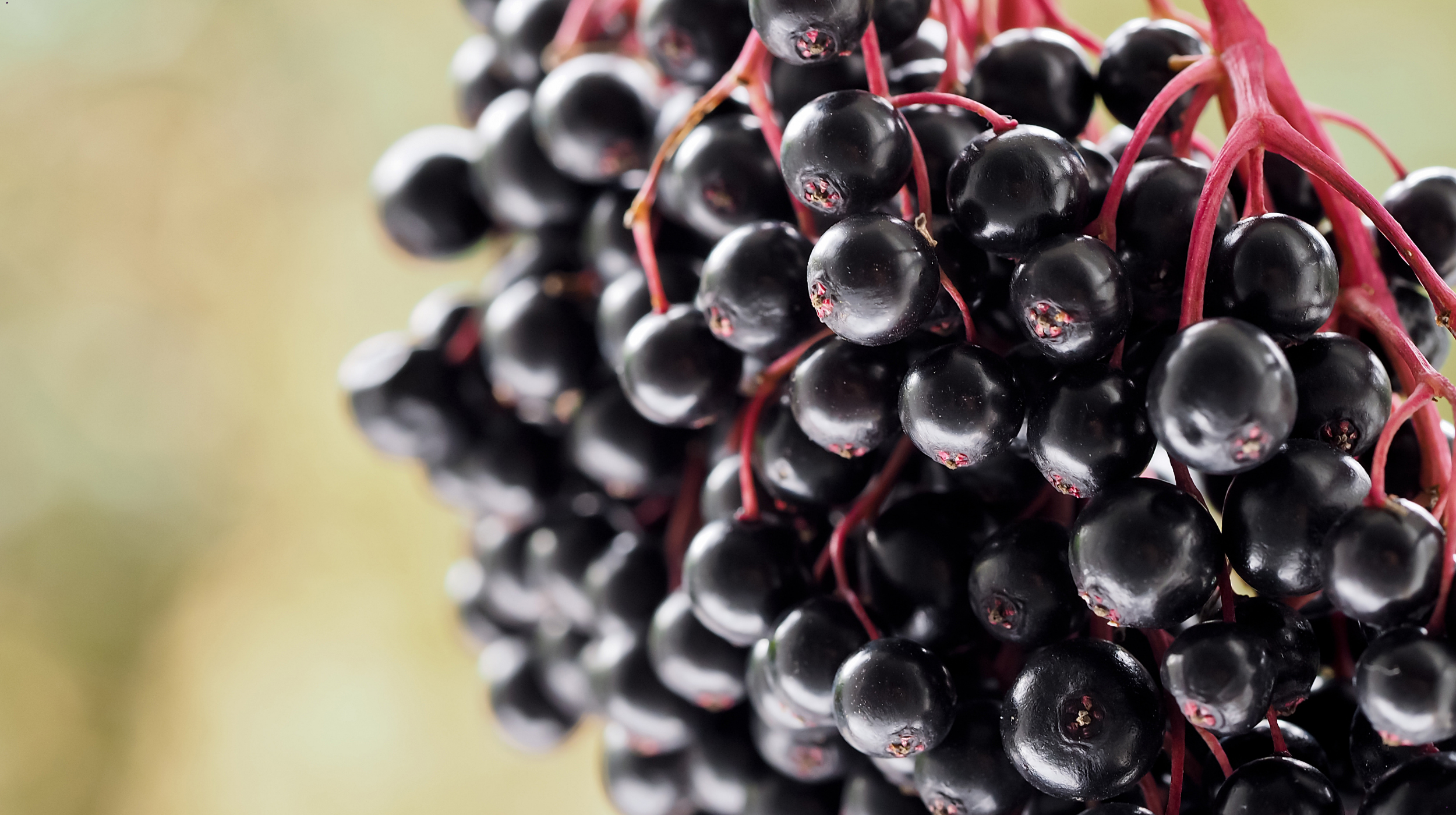
In spring and early summer, plants produce large umbrella-shaped clusters of creamy white flowers known as umbels. By late summer, those flowers mature into heavy clusters of dark purple berries that are harvested for use in a variety of products.
Why Grow American Elderberry?
American elderberry offers a unique combination of agricultural, environmental, and economic benefits that make it an attractive specialty crop for farms, landowners, and rural communities throughout the Heartland.
-
Large clusters of elderflowers bloom during early summer, providing abundant pollen and floral resources for a wide variety of beneficial insects. Honey bees, native bees, hoverflies, beetles, butterflies, and other pollinators are commonly observed visiting elderberry flowers.
Because the flowers occur in large, easily accessible clusters, they can support insect activity across the growing season while contributing to overall on-farm biodiversity.
-
American elderberry (Sambucus nigra ssp. canadensis) is native to much of North America and naturally occurs throughout Missouri, Kansas, and surrounding states.
Its adaptation to regional climates allows it to thrive in many soils and growing conditions while supporting local ecosystems that have evolved alongside the species for generations.
-
Unlike annual crops that require planting each year, elderberry is a long-lived perennial shrub.
Once established, plantings can remain productive for many years, reducing annual establishment costs and allowing growers to build long-term value from the same acreage. Mature plants typically produce new canes each season and can be managed through routine pruning practices.
-
Elderberry provides farmers with an additional specialty crop that can complement existing agricultural operations.
Growers may integrate elderberry into diversified farms alongside row crops, livestock, orchards, agritourism enterprises, direct-to-consumer sales, or value-added food production. Diversification can help create new revenue streams while reducing dependence on a single commodity.
-
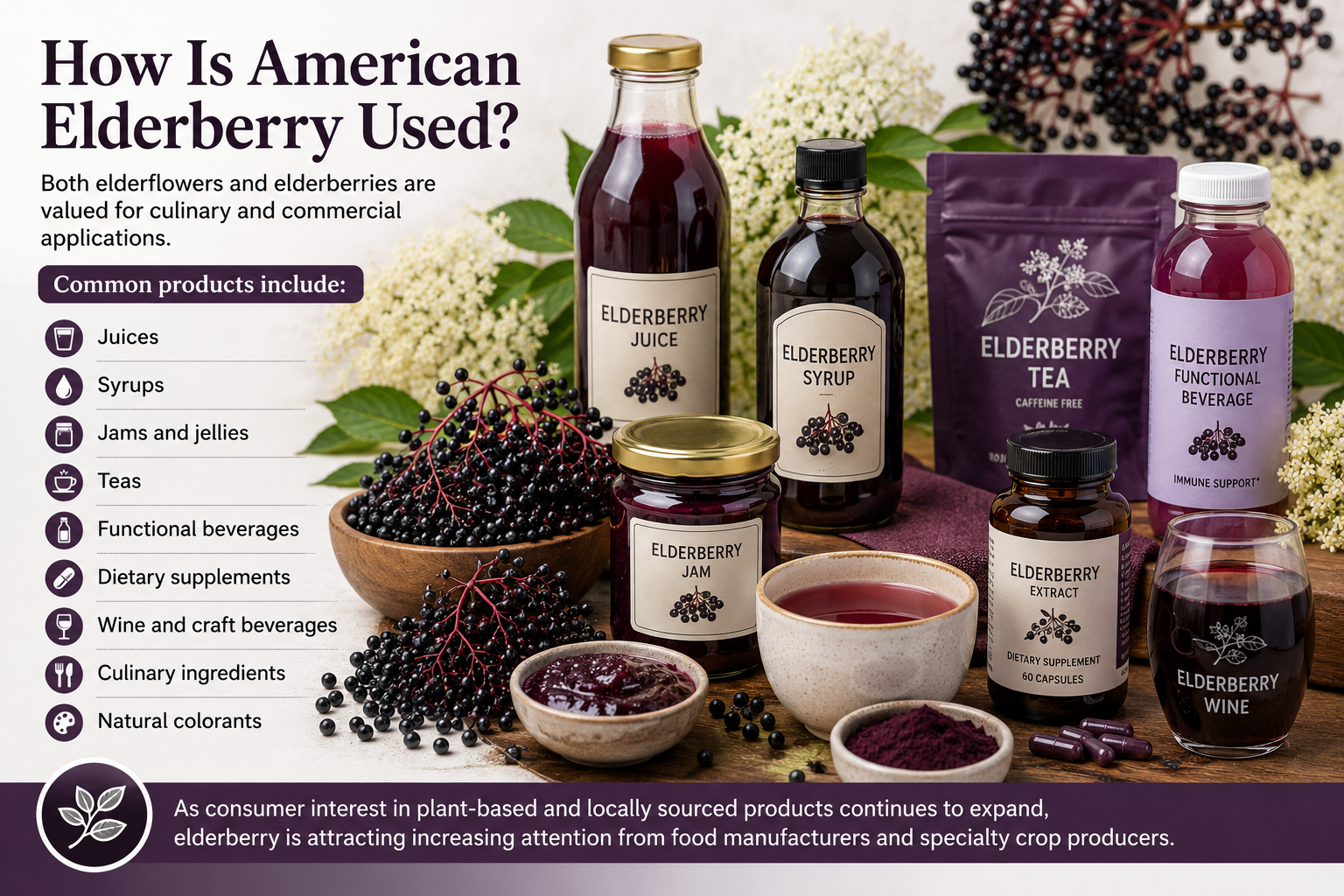
Consumer interest in elderberry products has expanded substantially in recent years.
Elderberries are used in juices, syrups, teas, jams, dietary supplements, functional beverages, wines, and culinary products. As demand for regionally produced ingredients continues to grow, elderberry presents opportunities for both growers and food manufacturers seeking locally sourced agricultural products.
-
Elderberry plantings can contribute to healthy agricultural landscapes by helping protect soil, supporting wildlife habitat, and increasing plant diversity.
The shrubs develop branching root systems that help stabilize soil, while their flowers and fruit provide seasonal resources for insects, birds, and other wildlife. When incorporated into conservation plantings, field borders, or diversified farms, elderberry can provide both ecological and agricultural value.
-
Because elderberry production often involves growers, processors, researchers, food manufacturers, and marketers working together, it has the potential to strengthen regional agricultural economies.
Collaborative development of elderberry supply chains can create opportunities for local businesses, value-added processing, agritourism, and new specialty crop enterprises throughout the Heartland.
-
HAEco growers incorporate elderberry into regenerative and conservation-minded farming systems.
As a perennial crop, elderberry can reduce soil disturbance compared to annual cropping systems and may be integrated with practices such as pollinator habitat establishment, cover cropping, conservation buffers, and diversified farm management.
The Science Behind Elderberry
Researchers continue to study elderberry's unique composition, including naturally occurring anthocyanins, polyphenols, and other plant compounds that contribute to its deep purple color and nutritional profile.
Universities, agricultural organizations, and industry partners across the United States are actively exploring best management practices, cultivar performance, processing methods, and market opportunities.
HAECo supports science-based communication and encourages continued research that advances understanding of American elderberry.
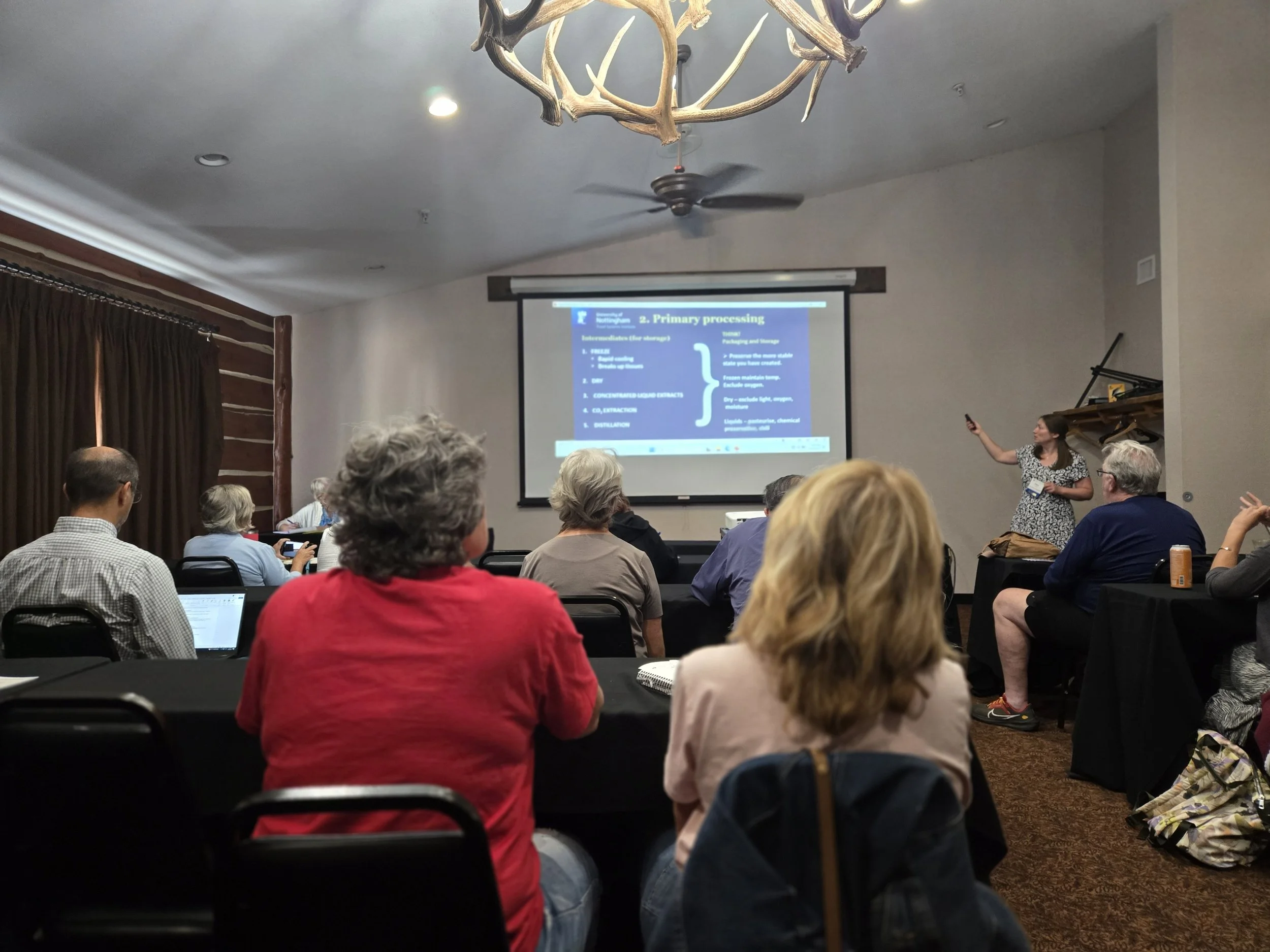
American Elderberry in the Heartland
The Kansas and Missouri Heartland is emerging as an important region for American elderberry production.
With suitable growing conditions, experienced agricultural producers, and growing interest from consumers and processors, the region is well positioned to support expansion of a resilient elderberry industry.
The Heartland American Elderberry Collaborative works to strengthen connections between growers, researchers, processors, and community partners to help build a thriving regional ecosystem around this remarkable native crop.
Stay Connected
Follow our journey as we share research updates, grower stories, industry developments, and opportunities to strengthen the future of American elderberry in the Heartland.