
Why American Elderberry Matters
American elderberry is more than a fruit crop. It represents an opportunity to strengthen local agriculture, support rural communities, enhance biodiversity, and build resilient regional food systems.
As interest in elderberry continues to grow across North America, American elderberry offers a unique combination of ecological value, agricultural potential, and consumer appeal.
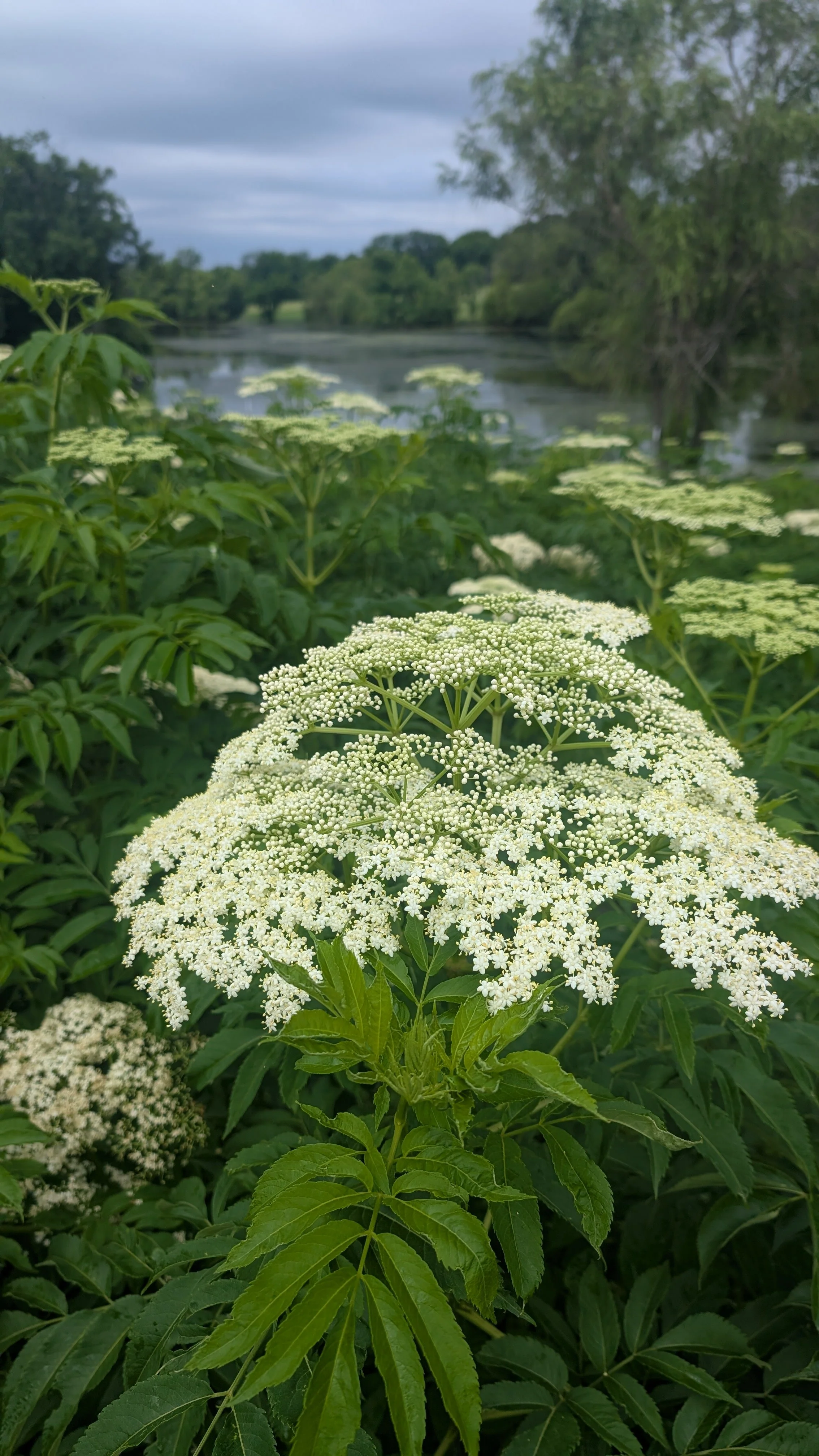
A Native Plant with Modern Relevance
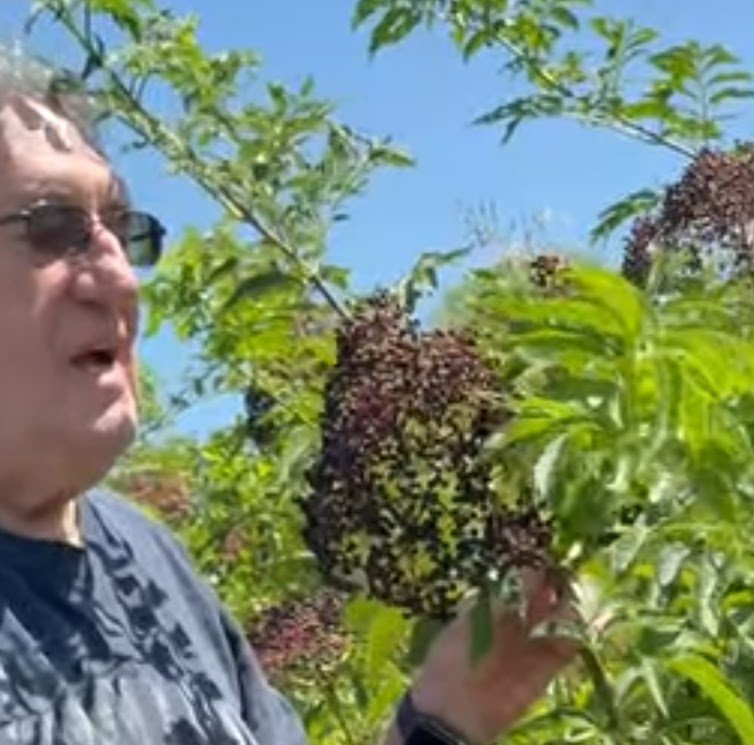
American elderberry has grown across North America for thousands of years, providing food and habitat for wildlife while supporting diverse ecosystems.
Today, renewed interest in local food systems, regenerative agriculture, and specialty crops has brought new attention to this native species. Farmers, researchers, processors, and consumers are increasingly recognizing elderberry's potential as a crop that aligns economic opportunity with environmental stewardship.
Supporting Rural Economies
American elderberry creates opportunities throughout the agricultural value chain.
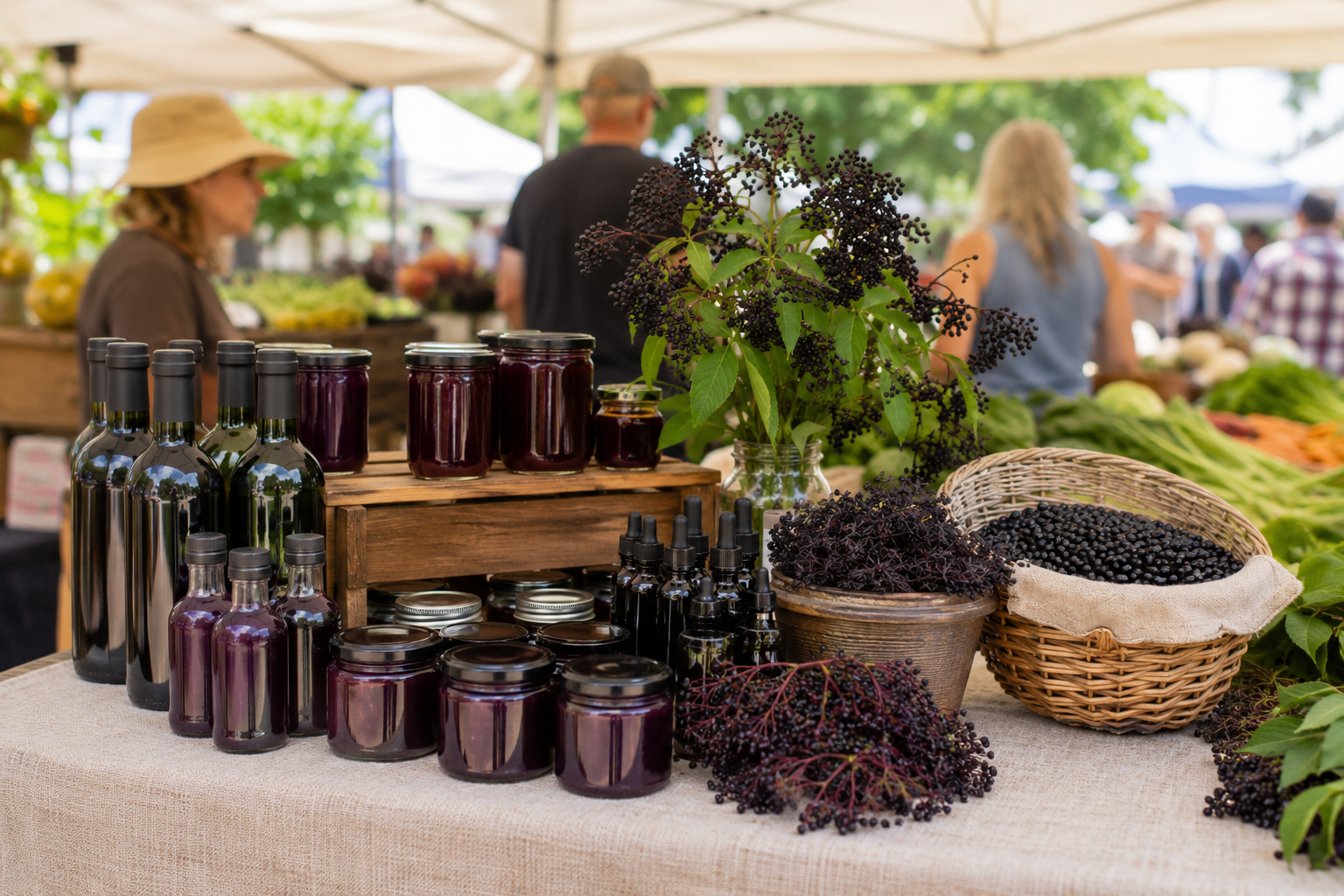
From nurseries and farms to processors, manufacturers, retailers, and agritourism operations, elderberry can contribute to economic activity across multiple sectors.
As demand for elderberry products grows, opportunities emerge for:
Farm diversification
Small business development
Value-added food production
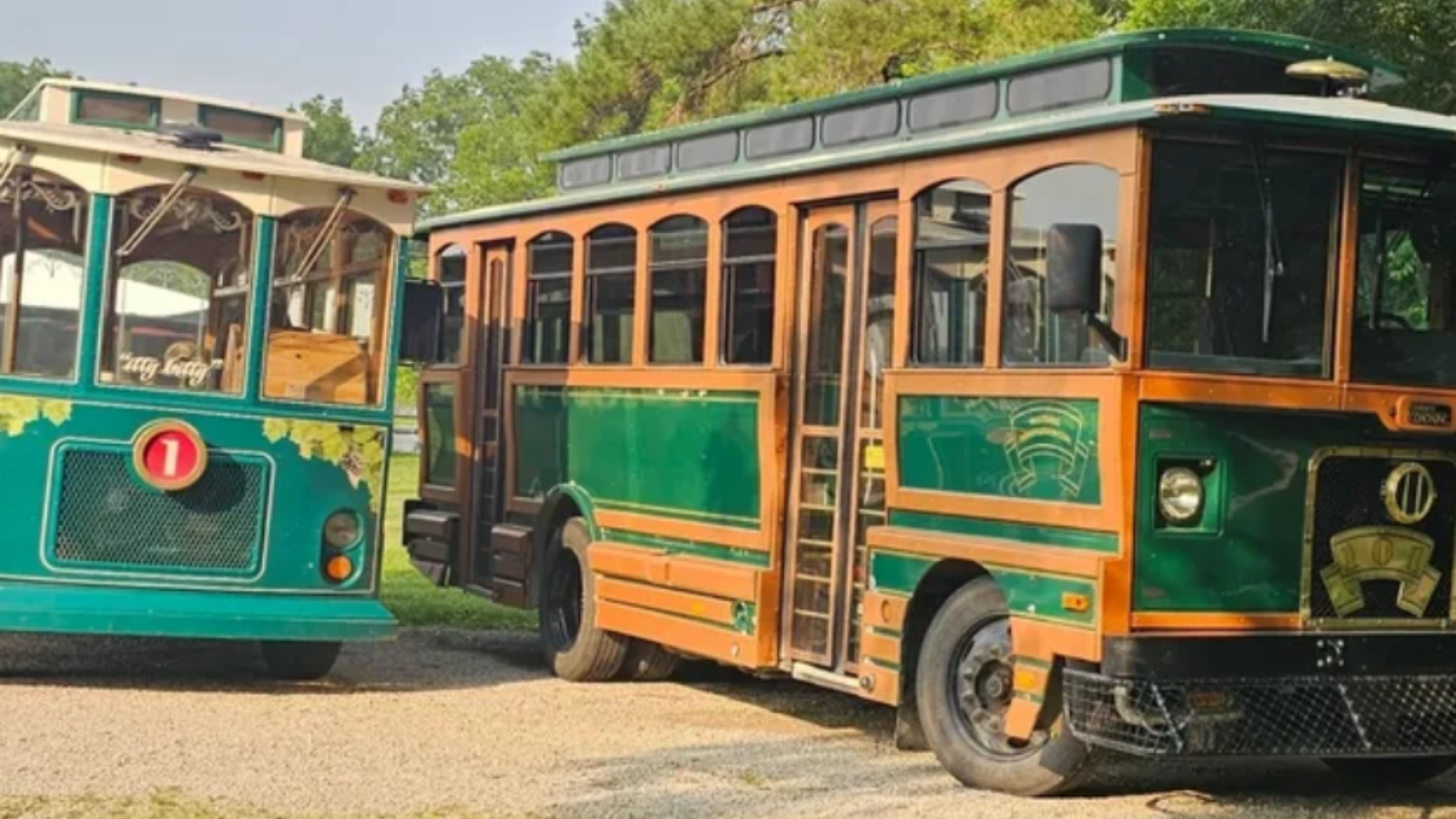
Agritourism experiences
Regional supply chains
Rural job creation
Strong regional industries help ensure that more economic value remains within local communities.
Diversifying Agricultural Landscapes
Many farmers are seeking crops that complement existing operations while reducing dependence on a single commodity market.
As a perennial specialty crop, elderberry can provide an additional income stream while fitting into diversified farming systems.
Benefits may include:
Long-term perennial production
Potential compatibility with conservation practices
Expanded market opportunities
Increased farm resilience through diversification
Diversified farms are often better positioned to adapt to changing markets and environmental conditions.
Providing Habitat for Pollinators and Wildlife
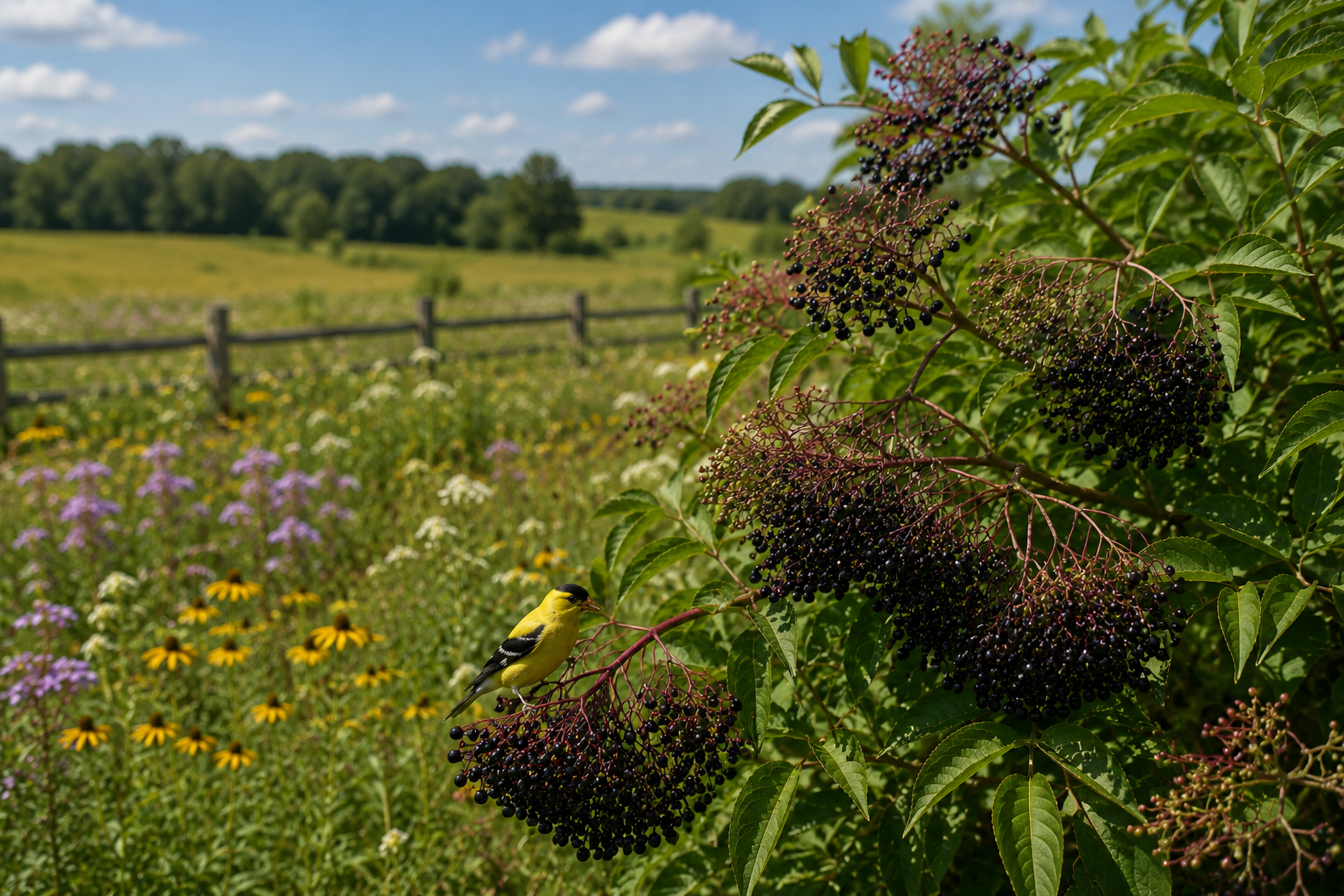
American elderberry contributes to healthy agricultural ecosystems.
Its large flower clusters attract a wide range of pollinators and beneficial insects, while the berries provide a food source for birds and wildlife.
When incorporated into thoughtfully designed agricultural landscapes, elderberry plantings can help support biodiversity while maintaining productive working lands.
Advancing Regenerative Agriculture
The Heartland American Elderberry Collaborative supports farming practices that work with natural systems.
As a perennial crop, elderberry can contribute to:
Reduced soil disturbance
Increased plant diversity
Improved habitat connectivity
Long-term land stewardship
While no single crop is a complete solution, elderberry can play an important role within broader regenerative and conservation-focused farming systems.
Strengthening Regional Supply Chains
Much of the elderberry consumed in North America is sourced from outside the United States.
Expanding domestic production creates opportunities to build more resilient regional supply chains that connect growers, processors, manufacturers, and consumers.
A stronger regional industry can:
Increase market transparency
Improve product traceability
Support local businesses
Reduce transportation distances
Keep more value within the Heartland
Driving Research and Innovation
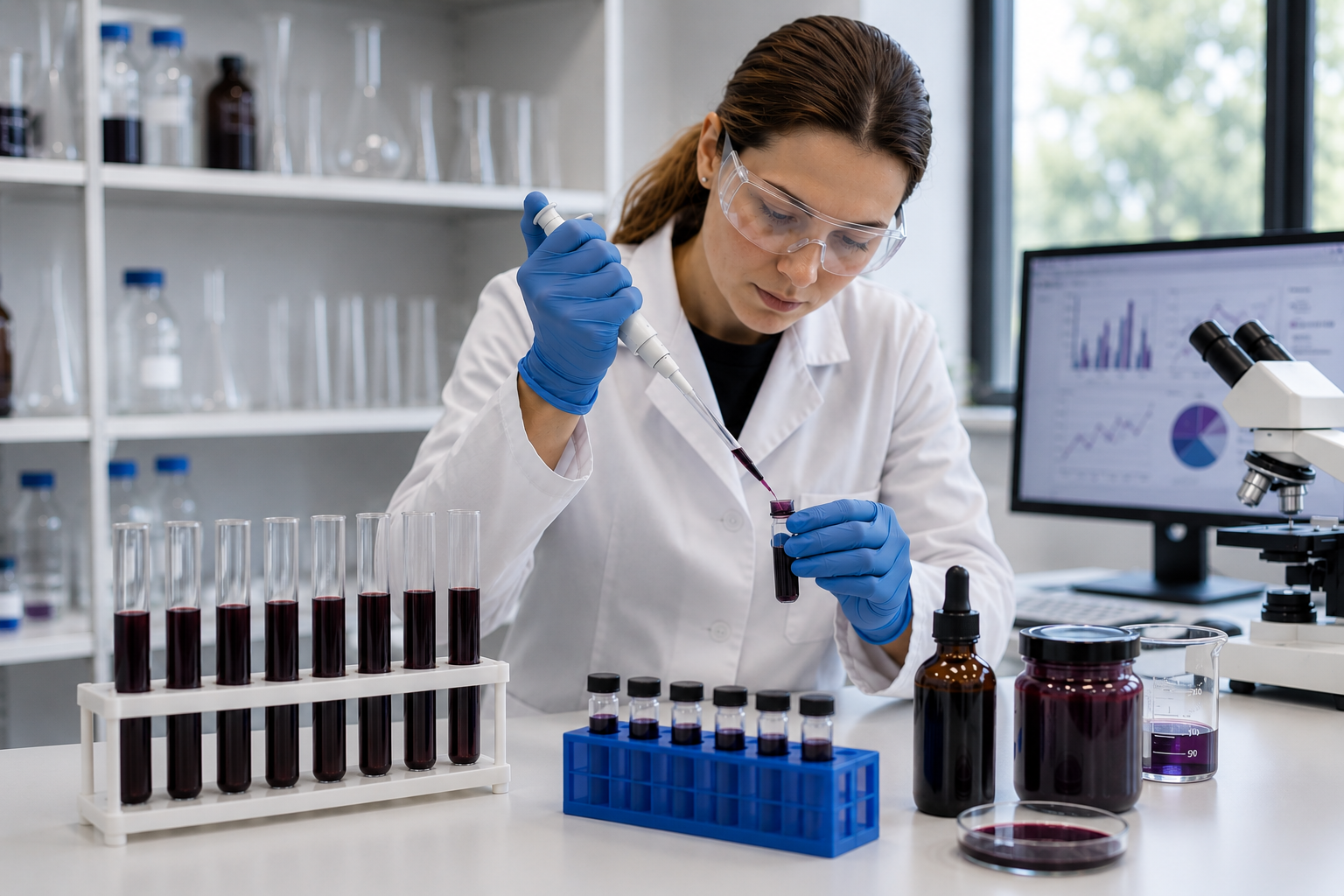
American elderberry continues to attract interest from universities, agricultural organizations, and industry partners.
Research efforts are helping improve:
Cultivar selection
Production practices
Harvest efficiency
Processing methods
Product development
Market understanding
Collaboration between growers and researchers helps ensure that scientific discoveries translate into practical benefits for the industry.
Building a Stronger Future Together
The future of American elderberry depends on collaboration.
Growers, researchers, processors, educators, businesses, and consumers all have a role to play in supporting a healthy and sustainable elderberry industry.
Through education, research, market development, and regional partnerships, we can help ensure that American elderberry remains an important part of the Heartland's agricultural future.
Continue Exploring
Learn more about American elderberry, follow industry developments, and stay connected with the Heartland American Elderberry Collaborative.