
Irrigation Planning for American Elderberry
Delivering Water Where and When It Matters Most
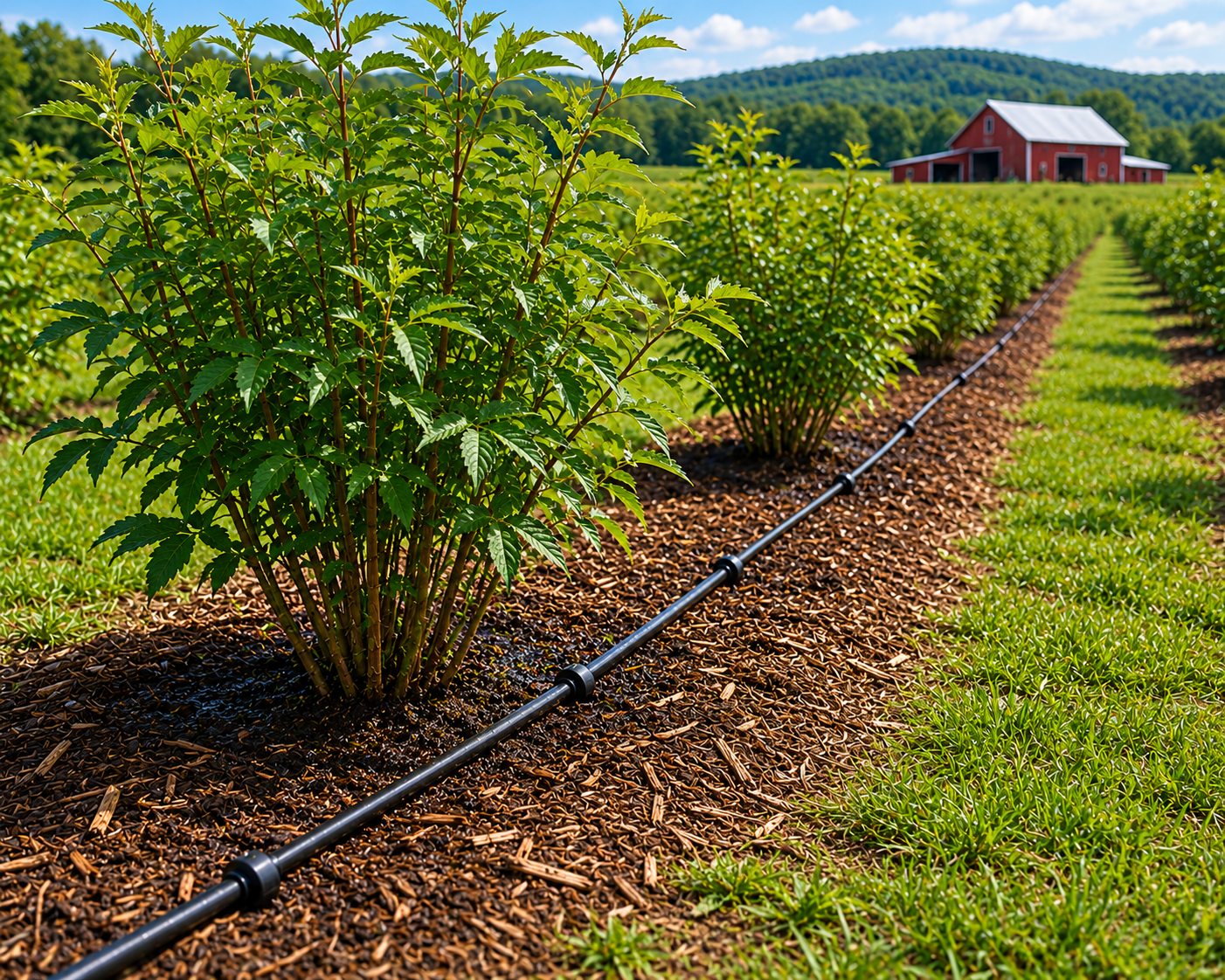
Water is one of the most important factors influencing successful elderberry establishment and long-term productivity.
A well-designed irrigation system can support strong early growth, improve drought resilience, reduce labor requirements, and help ensure consistent orchard performance over time.
Whether you're planning a small planting or a multi-acre orchard, thoughtful irrigation planning can help avoid costly changes after planting begins.
Why Irrigation Planning Matters
Young elderberry plants require consistent moisture during establishment, particularly during periods of heat and limited rainfall. During the first two growing seasons, growers should generally plan to provide approximately 1–2 inches of water per week through rainfall, irrigation, or a combination of both. Mature plantings are more tolerant of dry conditions but typically perform best when adequate moisture is available throughout flowering, fruit development, and harvest.
Planning ahead allows growers to evaluate available water resources, determine system requirements, and develop infrastructure that supports both immediate establishment and future orchard expansion.
Proper irrigation planning can help:
• Improve plant establishment and survival
• Reduce drought-related stress
• Support vigorous vegetative growth
• Promote consistent flowering and fruit production
• Increase water-use efficiency
• Simplify orchard management
• Accommodate future expansion
Investing in irrigation planning before planting often saves time, money, and frustration later while helping create the conditions for long-term orchard success.
Evaluating Your Water Source
Every irrigation system begins with a reliable water supply.
Planning may include evaluation of:
-
Available flow rate, recovery rate, and pumping capacity.
-
Availability, connection requirements, water pressure, usage costs, and long-term operating expenses.
-
Water availability, pumping requirements, seasonal fluctuations, and water quality considerations.
-
Rainwater harvesting and storage systems may provide supplemental irrigation water, particularly for smaller plantings or during establishment. Planning considerations include collection area, storage capacity, seasonal rainfall patterns, and distribution methods.
-
Assessment of other available water resources based on site conditions and project goals.
Understanding the capabilities and limitations of your water source helps determine what type of irrigation system will best support your planting now and in the future.
Irrigation System Design Considerations
No single irrigation design fits every property.
Planning may include recommendations related to:
-
Row spacing, plant spacing, and orchard design influence nearly every aspect of irrigation planning. Layout decisions affect pipe routing, zone configuration, equipment access, and long-term management efficiency.
Considerations include:
Row spacing and planting density
Cultivar placement and pollination needs
Future harvesting and maintenance equipment access
Field shape and topography
Planned orchard expansion
A well-designed layout helps reduce installation costs and simplifies future irrigation upgrades.
-
An irrigation system must move water efficiently from the source to every plant in the orchard. Planning the distribution network before planting helps prevent costly modifications later.
Key components may include:
Mainlines and submains
Drip irrigation laterals
Hydrants and connection points
Valves and control systems
Filtration equipment
Distribution manifolds and flush points
Careful placement of these components can improve system performance while making routine operation easier.
-
Adequate pressure is essential for consistent water delivery throughout the orchard. Systems that are undersized or poorly designed may result in uneven irrigation, causing some plants to receive too much water while others receive too little.
Planning includes evaluating:
Water source capacity
Pump requirements
Elevation changes across the field
Pressure losses within pipelines
Irrigation zone sizing
Future system expansion
Proper pressure management helps ensure uniform plant growth and efficient water use.
-
Irrigation systems require periodic inspection, flushing, winterization, and repairs. Designing for accessibility from the beginning can save significant time and labor over the life of the orchard.
Important considerations include:
Access to valves and hydrants
Locations for filters and pressure regulators
Winter drainage points
Equipment and vehicle access
Space for troubleshooting and repairs
Systems that are easy to maintain tend to experience fewer operational issues and shorter downtime.
-
Many growers begin with a modest planting and expand as markets develop and production increases. Irrigation infrastructure should be designed with future growth in mind whenever possible.
Planning ahead may include:
Oversizing mainlines to support additional acreage
Reserving capacity for future irrigation zones
Strategic placement of hydrants and connection points
Allowing room for additional pumps, filtration, or storage
Coordinating future field layouts with current infrastructure
Investing in scalable infrastructure today can reduce future installation costs and minimize disruptions as the orchard grows.
Choosing the Right Irrigation Approach
System recommendations vary depending on site conditions, water availability, management goals, and budget.
Potential options may include:
Drip irrigation systems
Micro-sprinkler systems
Hybrid approaches
Temporary establishment systems
Gravity-fed systems where appropriate
The goal is to identify practical solutions that support long-term orchard success while remaining manageable for the grower.
Planning Before You Plant
Irrigation is often easiest and most cost-effective to install before an orchard becomes established.
Early planning helps coordinate:
Field preparation
Row layout
Plant spacing
Water access points
Utility considerations
Future maintenance needs
Integrating irrigation planning into the overall orchard design process can help create a more efficient and productive operation.
Connecting Growers with Irrigation Resources
Every planting site has unique water requirements, infrastructure considerations, and budget constraints.
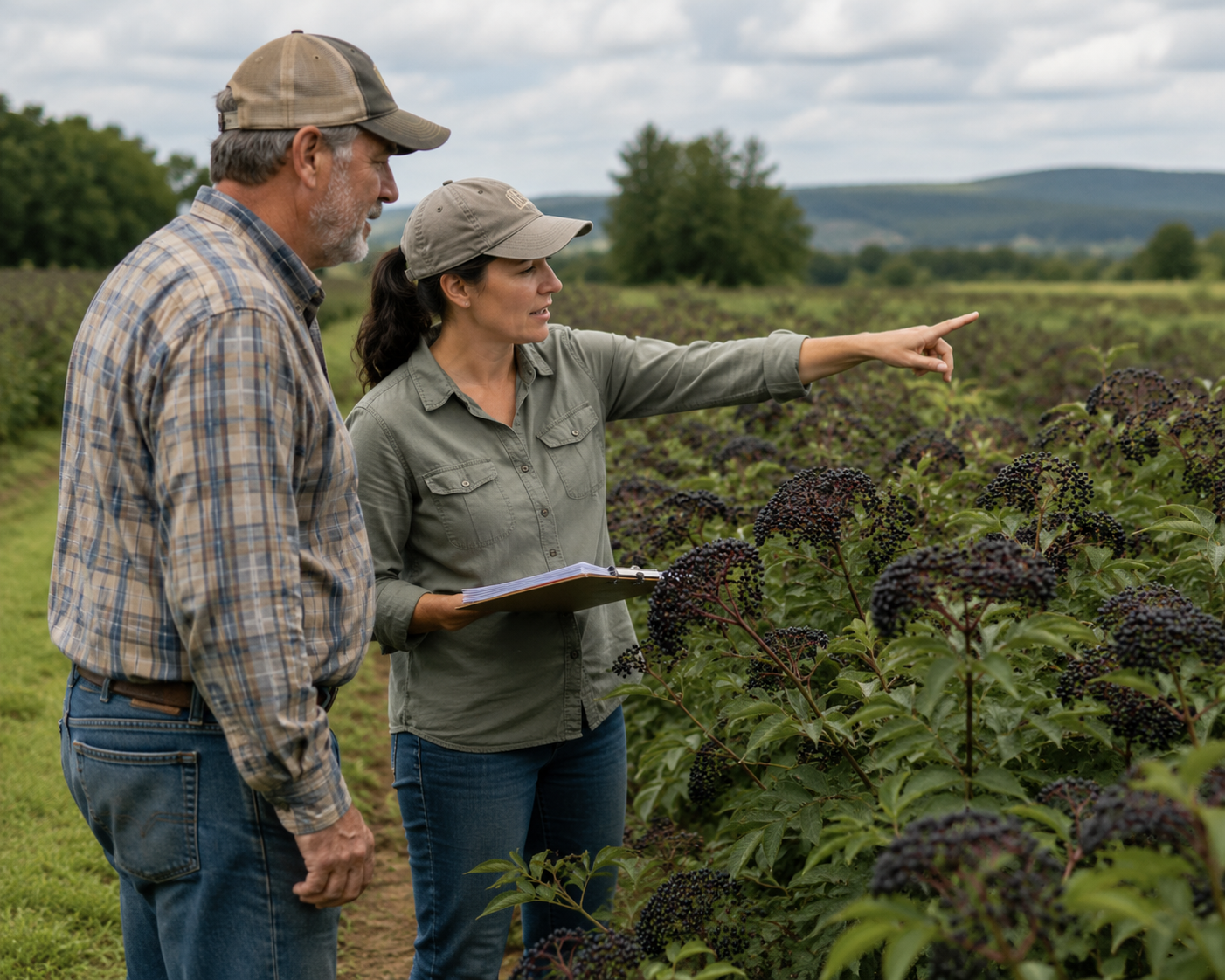
HAECo helps growers evaluate their irrigation needs and connect with experienced suppliers, installers, and industry professionals who can assist with system design, equipment selection, and implementation.
Whether you're exploring irrigation options for the first time or preparing to expand an existing planting, we can help point you toward resources that fit your goals and site conditions.
Potential Referral Areas
Irrigation suppliers and distributors
System designers and consultants
Installation contractors
Pump and well service providers
Water storage and catchment solutions
Filtration and pressure management equipment
Agricultural engineers and technical specialists
Growers willing to share practical experience
While HAECo does not provide irrigation installation services directly, we work to connect growers with trusted resources throughout the region.
Looking for Irrigation Resources?
A successful irrigation system starts with the right information and the right partners.
Tell us about your property, available water sources, and planting goals. We'll help identify potential resources, suppliers, and service providers that may support your project.